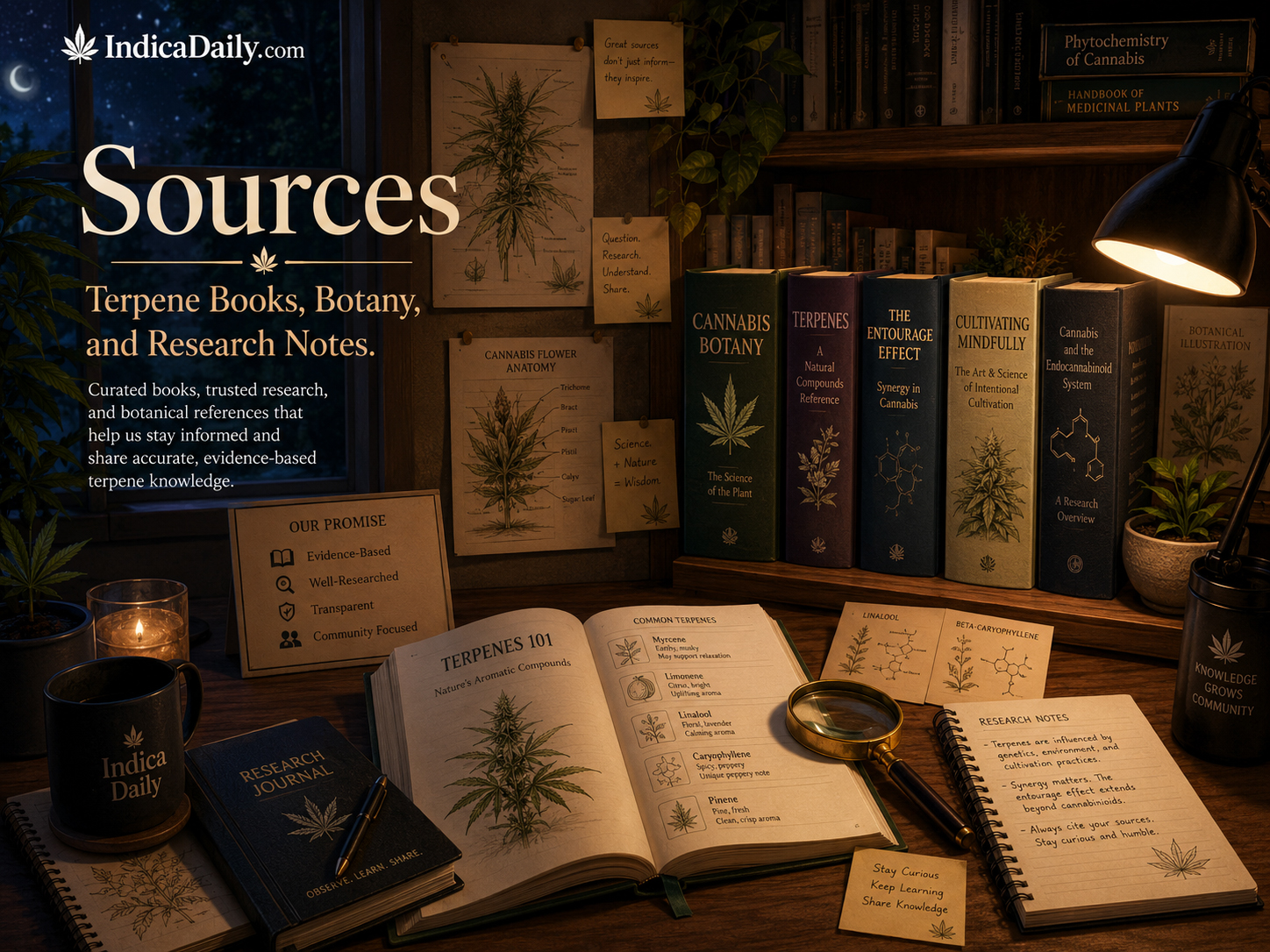
Curiosity is better with a bibliography.
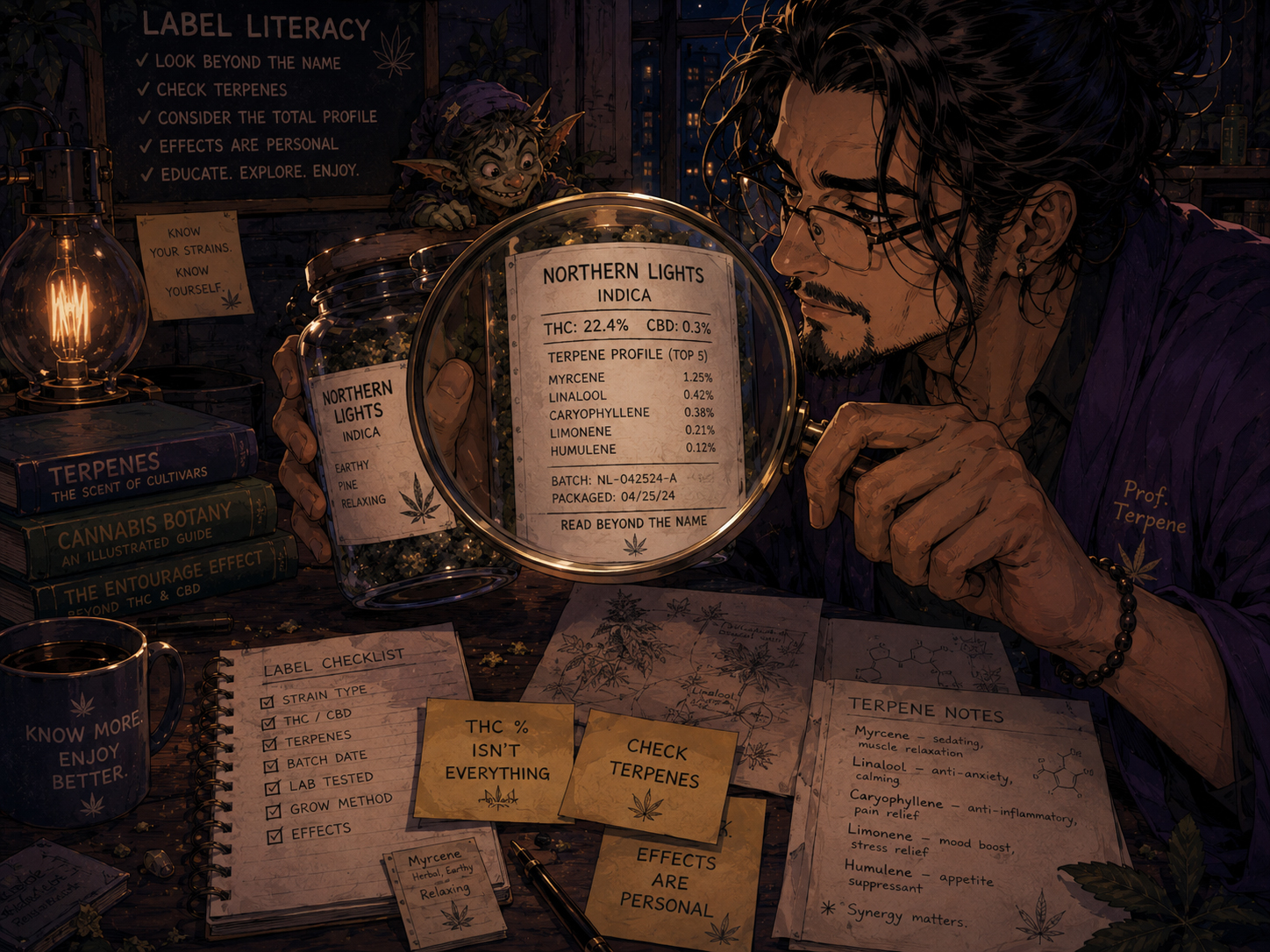
IndicaDaily uses manga comedy to explain cannabis label literacy, but the basic editorial posture is serious: avoid medical claims, explain uncertainty, and keep category labels in context.
How sources are used
Sources help IndicaDaily explain vocabulary, plant concepts, product labels, terpene language, public safety reminders, and legal boundaries. They do not turn the site into medical advice, legal advice, or product recommendations.
Used for context
Botany, chemistry vocabulary, labeling concepts, and responsible-use education.
Not used to promise effects
IndicaDaily avoids claiming that a category, terpene, strain, or product type guarantees an outcome.
Reference categories
When building and updating pages, these are the source categories to prioritize.
Official cannabis and public health guidance
Use official government, public health, and regulatory sources for adult-use warnings, impairment cautions, storage reminders, age restrictions, and local-law context.
Peer-reviewed cannabis research
Use peer-reviewed research for carefully worded discussions of cannabinoids, terpenes, cannabis chemistry, cannabis pharmacology, and uncertainty around effects. Avoid turning limited findings into broad consumer promises.
Cannabis botany and plant science references
Use botany and plant-science references for basic plant anatomy, trichomes, pistils, resin glands, and cultivation vocabulary. Keep consumer-facing claims modest.
Product label and testing references
Use regulator, laboratory, and industry-labeling materials to explain common label fields such as THC, CBD, total cannabinoids, terpenes, batch numbers, package dates, ingredient lists, QR codes, and warnings.
Terpene and aroma references
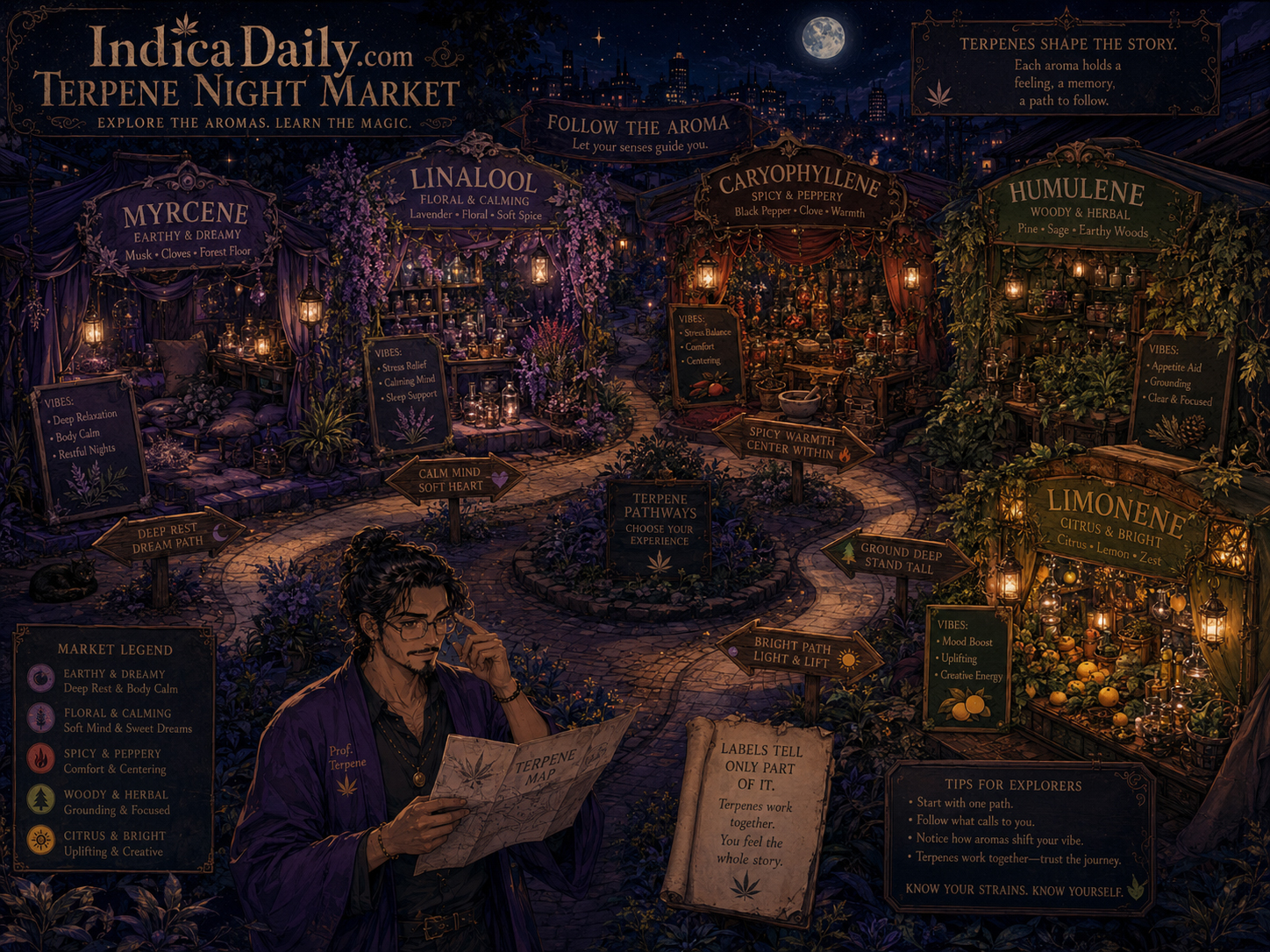
Use chemistry and botanical sources to describe aroma language such as myrcene, limonene, linalool, caryophyllene, humulene, and pinene. Keep aroma descriptions separate from medical claims.
Responsible-use and impairment references
Use official and public health sources for impairment warnings, driving cautions, secure storage, edible timing, and adult-use safety basics.
Preferred source quality
For factual claims, prefer primary and authoritative sources over blogs, forum posts, marketing pages, or anonymous summaries.
| Best for factual claims | Use with caution |
|---|---|
| Official public health agencies and regulators | Dispensary marketing pages |
| Peer-reviewed research articles | Uncited strain-review pages |
| University or extension materials | Anonymous blog posts |
| Laboratory and labeling standards materials | Influencer claims or social-media anecdotes |
| Manufacturer labels for product-specific facts | Republished summaries without original source links |
Editorial standards
- Do not claim that indica, sativa, or hybrid categories guarantee effects.
- Do not claim that a terpene guarantees a medical or personal outcome.
- Do not recommend cannabis for sleep, anxiety, pain, depression, stress, or any medical condition.
- Do not provide dosing instructions.
- Do not imply cannabis is safe for everyone.
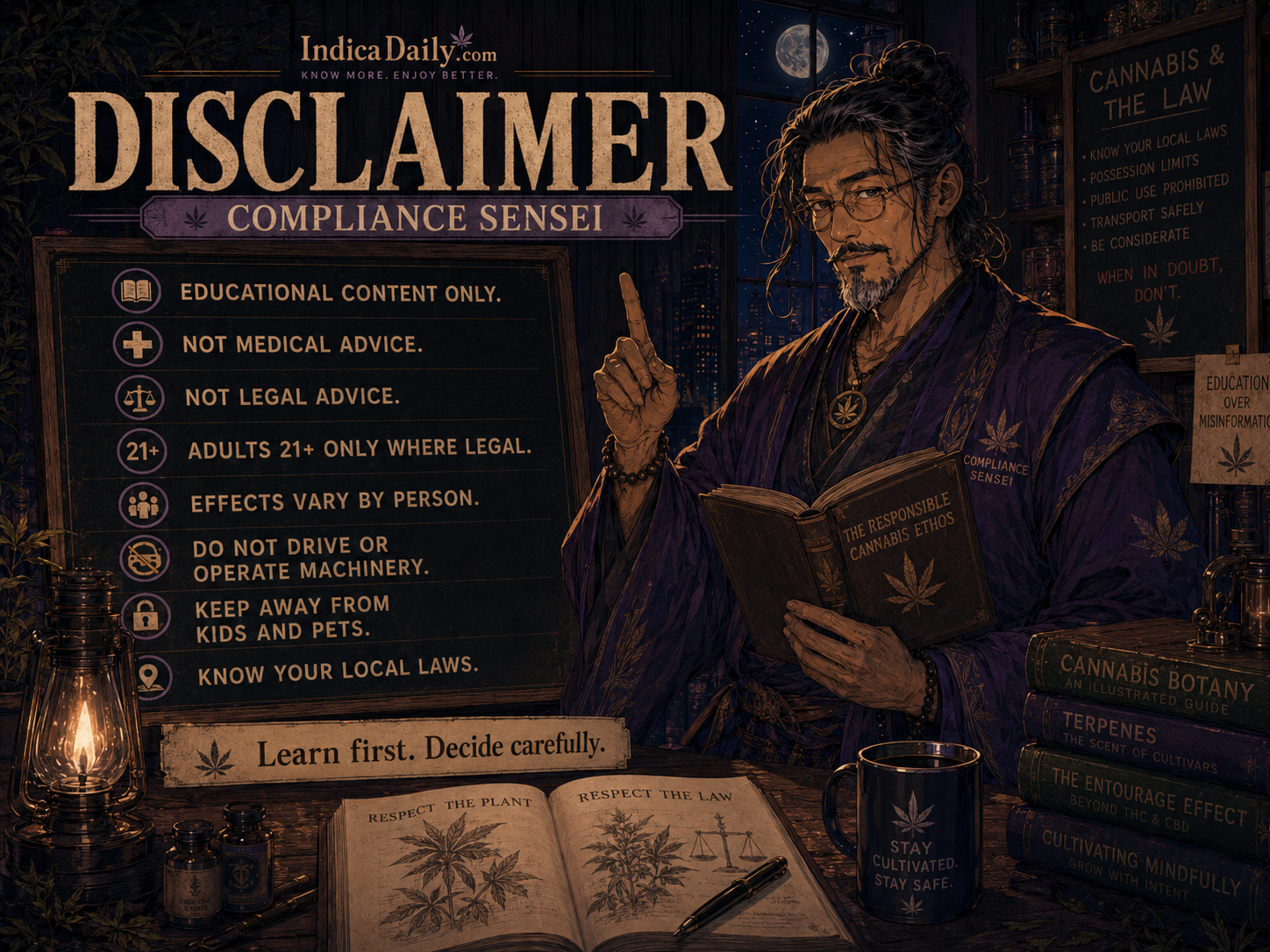
- Do emphasize adults 21+ only where legal.
- Do emphasize reading labels and following local laws.
- Do emphasize no driving or operating machinery after cannabis use.
Example source list structure
As pages are updated with direct citations, organize references by topic. This page intentionally avoids fake source names or invented article details.
Official public health pages; state cannabis regulatory pages; peer-reviewed articles on cannabinoids and terpenes; cannabis labeling/testing guidance; cannabis botany references; impairment and driving guidance; edible timing and storage safety guidance.
Why sources do not equal medical advice
A scientific source can describe limited findings, mechanisms, risks, or uncertainty. That does not mean a consumer website should convert those findings into treatment instructions or effect promises.
IndicaDaily uses a conservative editorial stance: explain context, avoid overclaiming, and refer medical questions to qualified professionals.
Corrections and better sources
If you know a better source, spot an overstatement, find a broken link, or want a page to cite a stronger reference, use the contact page.